
Custom t-shirts give businesses and creators a way to stand out. Whether we're building a streetwear brand, launching merch for an online store, or printing uniforms, the way designs go onto the fabric matters. Picking the right method can affect how our products look, feel, and last.
Two of the most common ways are screen printing and DTG (Direct to Garment). Both methods get the job done, but they work way differently. Some designs look better with one method, and some business setups run smoother with the other. Let’s break down how each process works, where they shine, and which might fit better based on what we’re trying to build.
What is Screen Printing and How Does It Work?
Screen printing has been around for a long time, and there's a reason it’s still one of the go-to methods for printing custom t-shirts, hoodies, and sweatshirts.
Here’s how it works:
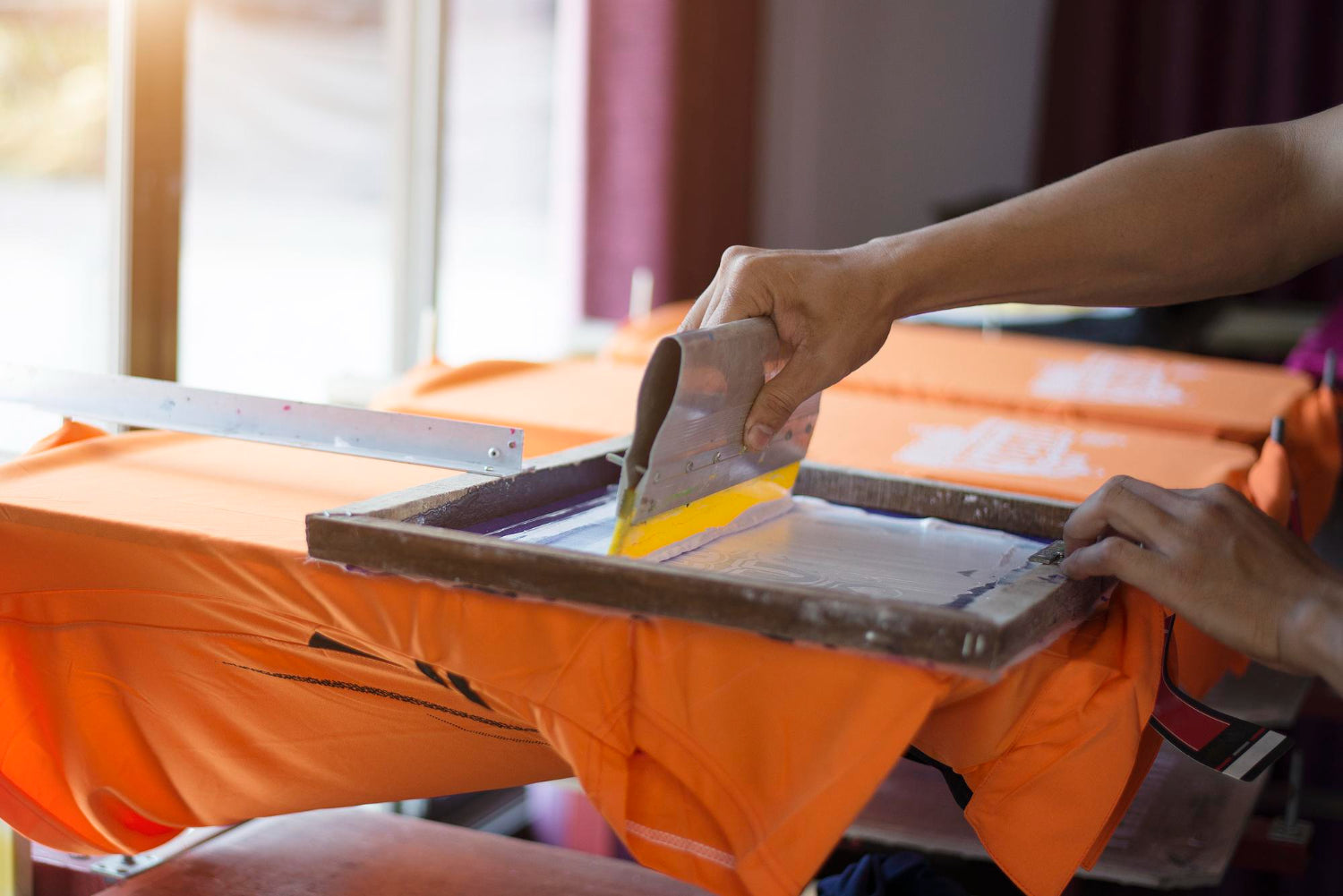
• A screen (kind of like a stencil) is made for each color in the design.
• Ink is pushed through each screen and laid right onto the fabric.
• Every color gets its own pass, so the setup takes a bit of time.
• When it’s all done, we get a thick, solid print that pops.
Screen printing works best with simple designs, especially those with bold shapes or solid text. Logos, symbols, or clean artwork come out strong and clear. Since the setup takes time, it really makes sense for large runs. If we’re printing a few hundred shirts with the same artwork, this method can be fast and consistent across the whole batch.
The results hold up well over time, too. These prints can handle all kinds of wear and tear, washing, sun, daily use, without fading much. That’s a big plus when we're aiming for quality that lasts across seasons. At Factory 1 Direct, we offer traditional screen printing and spot color, perfect for brands that want bold prints on large-scale orders.
What is DTG and How Is It Different?
DTG stands for Direct to Garment, and it works kind of like a regular inkjet printer, but for clothes. Instead of making a screen for each color, DTG sprays the whole design directly onto the garment using special inks.
This method is great when:
• We have detailed designs, like photographs or hand-drawn art.
• The image uses a lot of colors or gradients.
• We only need one or a few shirts at a time.
DTG makes it easy to print sharp, colorful images right onto cotton fabrics, especially t-shirts. There’s no need to prep screens or separate colors, which saves time when we’re working on small batches or switching up artwork often. Factory 1 Direct supports single-piece and print-on-demand DTG orders, which is ideal for online sellers and creators wanting custom options with fast turnaround.
Because it prints directly into the fabric, the feel is softer compared to the thicker prints from screen printing. But the ink doesn't sit on top the same way, so DTG prints may fade a bit faster after lots of washes, especially on dark fabrics.
Pros and Cons for Your Business
It helps to think about what kind of orders we expect and what our brand designs look like. Each method has strengths worth keeping in mind.
• Order size matters. Screen printing is better for bulk orders. The more we print, the more efficient it becomes. DTG fits small runs or one-offs, especially for testing ideas or printing custom orders.
• Design makes a difference. Clean, bold graphics? Screen printing does that really well. Artwork with fine detail or lots of color? DTG gets those right without extra prep.
• Think about where we’re headed. If we're just starting out and making shirts one at a time, DTG gives us flexibility. But if we’re planning to scale up or print one design in big numbers, screen printing might be the smarter long-term setup.
Instead of picking just one forever, it's possible to start with DTG and move to screen printing if we find ourselves printing in bulk more often.
What Works Best for Streetwear, Hoodies, and Sweatshirts?
Apparel isn’t just t-shirts. Hoodies, sweatshirts, and streetwear pieces add more layers and textures to the picture. Each type of clothing handles ink a little differently.
• Streetwear often goes for bold statements. Screen printing gives that thick, clean look that stands out, great for logos or graphics that need to pop.
• Hoodies and sweatshirts are usually made from thicker fabric. Screen printing sticks well to these materials, holding up through colder months and wash after wash.
• DTG works great when we want to experiment with multiple small drops or change designs a lot. It’s strong for streetwear brands making short runs or pushing creative designs with lots of colors or texture.
For brands that like to drop small collections regularly, DTG offers freedom to try new ideas without committing to big print runs.
Deciding What Fits Your Apparel Goals
Each business has its own goals, and the right printing method really depends on what we’re aiming for. We can have a plan that grows with us, starting flexible and moving to larger scale.
Take the time to think about:
• What does our design style look like, clean and bold, or rich in color and detail?
• How many pieces are we selling at once?
• What kind of feel do we want customers to get when they wear our shirts or hoodies?
Screen printing and DTG both offer real benefits. Matching the method with our approach helps our custom t-shirts, streetwear lines, or seasonal apparel drops give off the right style and feel from the first stitch.
When you’re ready for bold logos or repeat designs on t-shirts, hoodies, or sweatshirts, consider screen printing for your next bulk order. This option helps your designs stand out and gives your apparel lasting strength. At Factory 1 Direct, we help brands grow smoothly without losing the quality or style that sets your line apart. Whether you need merch, want to launch seasonal drops, or expand your streetwear brand, our team is here to support your vision. Reach out today and let’s bring your next collection to life.

Leave a comment
This site is protected by hCaptcha and the hCaptcha Privacy Policy and Terms of Service apply.