
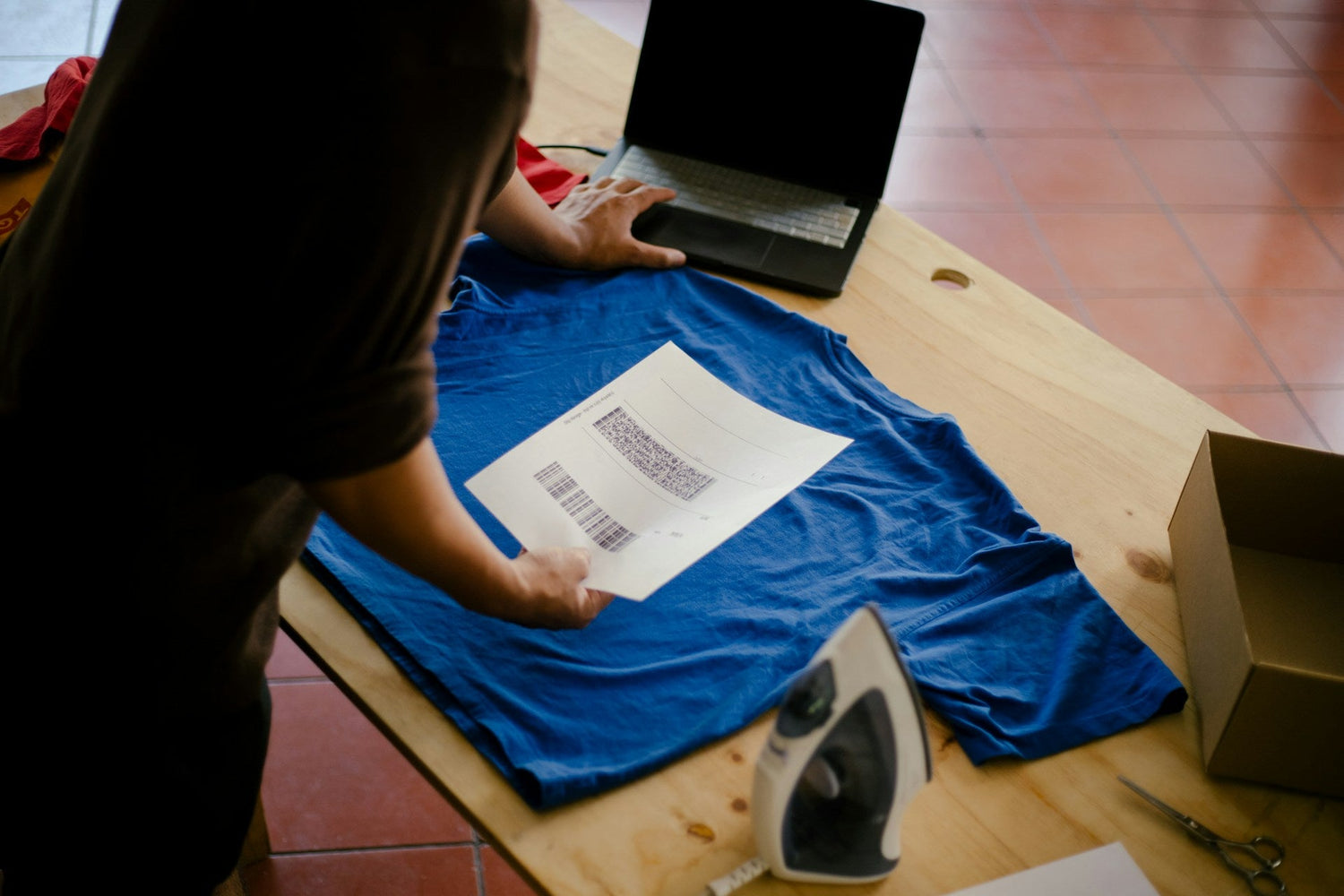
Raise Your Standards Before Peak Season Hits
Wholesale DTF printing can make or break your next big drop. When orders ramp up for back-to-school, fall collections, and early holiday pre-sales, there is no room for flaky transfers, surprise failures, or mystery color shifts. You need transfers that press the same on Monday as they do on Friday, on cotton tees and performance hoodies.
This is where a real print quality audit comes in. With a clear sampling plan, press tests, wash tests, and written acceptance rules, you protect your brand before things get busy. Instead of guessing if a batch is good, you know. That confidence lets you sell harder, push wholesale, and keep repeat buyers happy.
What Brand-Ready DTF Quality Really Looks Like
Brand-ready wholesale DTF printing is more than “looks fine on the table.” It should hold up through real life, not just a quick press and a selfie under studio lights.
For most brands, “ready for retail” means:
- Sharp detail, even in fine lines and small text
- Consistent color across reorders and different sizes
- Clean edges with no halos, ghosting, or fuzzy outlines
- Even adhesive coverage, no bare patches or heavy powder clumps
- Flexible, soft hand feel that moves with the garment
Not every tiny variation is a failure. Some differences are normal in production as long as they stay within your brand’s look and feel. That includes slight shade shifts that still match your overall palette, subtle gloss differences between fabrics, and minor texture changes when you move from heavy fleece to light tees.
Real defects are a different story, and they should trigger a stop and review:
- Ghosting or double images around the print
- Pinholes in solid areas that show garment color
- Under-cured adhesive that peels or lifts after a few washes
- Cracking or heavy breaking when stretched or worn
It also helps to judge quality based on where your gear is actually worn. Festival merch takes heat, sweat, and a lot of washing. School uniforms and team wear see weekly cycles in hot water. Workwear deals with dirt, abrasion, and rough dryers. Brand-ready DTF should stand up to these real conditions, not just one gentle wash.
Building a Smart Sampling Plan for Your Supplier
A smart sampling plan keeps surprises out of your big seasonal orders. Instead of trusting a single pretty sample, you build a system that checks both capability and consistency.
There are three main sample types that help:
- Pre-production samples, try new designs, fabrics, ink builds, and colorways. Get these pressed on the actual garments you plan to sell.
- Pilot run samples, before you jump from small runs to large fall or holiday volumes, pull a small controlled batch to confirm settings at scale.
- Ongoing lot samples, take samples from every batch or every certain number of sheets to make sure quality stays stable over time.
A simple starting point that works for many brands is to pull 5 to 10 sheets per 100 sheets received, or pull a fixed number per design (like 2 to 5 full-size images). Whatever method you use, label each sample with the batch number, date, and design name so you can trace issues back quickly.
When you test, document the details so results are repeatable and comparable from batch to batch. Write down the press settings used (time, temperature, and pressure), the fabric type and color, and any special notes such as double presses or hot vs cold peel.
Increase your sampling when:
- You are working with a new supplier
- The supplier changes film, adhesive powder, or ink system
- You move into new fabrics, like going from cotton to performance poly
Once you have a long stretch of clean results with the same setup, you can slowly reduce sampling, but never drop it completely. A light ongoing check is your safety net.
Running Realistic Press and Wash Tests That Mimic Customers
Your press tests should match how you actually run production. That way, you are testing the full system, not a perfect lab demo that you never repeat in real life.
For press tests, standardize:
- Temperature, time, and pressure by fabric type
- Whether you use a hot, warm, or cold peel
- Any second press steps for matte finish or extra lock-in
Multi-fabric testing is key. At minimum, test:
- 100 percent cotton tees
- Cotton and poly blends
- Performance polyester or sport fabrics
- Fleece or heavier garments
Also test on light and dark garments. Problems like dye migration and haloing often show up only on certain colors.
For wash tests, build a clear, simple routine:
- Choose the number of cycles that match your product promise, like 10, 15, or more
- Keep conditions consistent: similar water temperature, common detergent, same dryer setting
-
After each group of washes, inspect for:
- Cracking, especially across stress points
- Fading or dulling of key colors
- Lifting edges or corners
- Gloss changes, like going from matte to sticky shiny
Busy shops may not have time for long tests before every launch. In that case, you can still get strong early signals with quick field tests:
- Accelerated wash tests, like two or three hot wash-and-dry cycles back to back
- Stretch tests across seams and chest to look for breaking
- Simple abrasion tests, like rubbing with a clean cloth to see if ink dusts or scuffs
These tests help you catch weak adhesive, under-cured ink, and surface problems before your customer does.
Defining Clear Acceptance Criteria for Every Transfer
“Looks good” is not a quality standard. To protect your brand, you need clear rules that anyone on your team can follow.
Turn your quality needs into measurable checks like:
-
Visual standards
- No more than a small number of pinholes in large solid areas
- No halos around text or logos
- Solid, opaque whites on dark garments
-
Dimensional tolerance
- Print size within a small allowed shift from the original art
- No major warping or stretching of shapes
-
Adhesion and durability
- No edge lift after your target number of washes
- No major cracking under reasonable stretch
Build a simple pass or fail checklist for incoming wholesale DTF printing shipments. Include:
- Print clarity and readability, even in fine details
- Color match to your approved sample or master swatch
- Powder and adhesive coverage across the full design
- Film condition, like scratches, creases, or contamination
- Signs of handling damage during packing or transit
AQL, or Acceptable Quality Limit, is just a structured way to decide how many defects you are willing to allow in a batch. In practice, that means you sample a set number of sheets from a shipment, count defects based on your checklist, and compare the result to your chosen limit. If defects stay under the limit, the batch passes. If they go over, you may refuse, ask for rework, or use the batch only for lower-tier products.
Your acceptance criteria should match your brand tier. Budget promo gear may accept small print flaws, while premium retail or long-term uniforms need tighter standards. Put those standards in writing and share them with your supplier so everyone measures by the same yardstick.
Putting Your DTF Audit Into Motion with Factory 1 Direct
Once your audit plan is written, the next step is to test it on real transfers. Start with a focused test order tied to your sampling plan, not a random box of prints. Decide which designs, fabrics, and colors matter most for your upcoming drops and build your test around those.
Use that first run to:
- Run full press tests on the actual garments you sell
- Perform wash and stretch tests based on your product promises
- Fine-tune press settings for each fabric and color group
- Lock in your acceptance checklist and AQL rules
At Factory 1 Direct, we build wholesale DTF around consistency. We keep film and powder systems stable, color workflows calibrated, and production settings repeatable so reorders feel like the first approved sample. That helps brand owners, print shops, and resellers head into peak season with fewer surprises and more confidence.
Putting a real quality audit in place takes a little extra time up front, but it pays off when your back-to-school, fall, and holiday releases ship with transfers that press clean, wash strong, and look shelf-ready.
Get Started With Your Project Today
If you are ready to scale your apparel or merch line, we are here to handle the printing so you can focus on growing your brand. At Factory 1 Direct, we offer reliable wholesale DTF printing with consistent quality across every transfer. Tell us about your artwork, quantities, and deadlines, and we will help you choose the best options for your next run. Let us streamline your production so your next launch is smoother, faster, and more profitable.

Leave a comment
This site is protected by hCaptcha and the hCaptcha Privacy Policy and Terms of Service apply.